Plane Heart: A Designer’s Real-World Embroidery Review
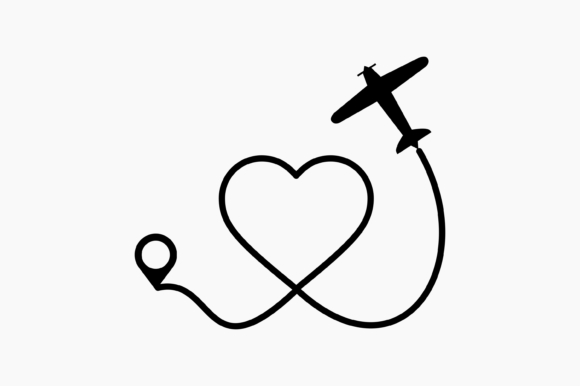
As someone who’s stitched hundreds of custom pieces—from boutique baby onesies to Etsy shop merchandise—I opened Plane Heart expecting a sweet, lightweight motif. What I found was more nuanced: a clean, slightly stylized heart with a subtle aircraft silhouette embedded in its negative space. It’s not cartoonish, not overly technical—it lands somewhere between nostalgic and quietly clever. That balance is rare, and it’s exactly why this design stuck with me after testing it on three different projects.
First Impressions: Charm Without Clutter
The Plane Heart graphic reads instantly—no squinting, no decoding. Its outline is smooth, its proportions generous enough for small-scale embroidery but not so bold that it overwhelms delicate items like tea towels or baby caps. The plane element isn’t drawn with cockpit detail or wing flaps; it’s simplified, almost symbolic—just enough to suggest travel, adventure, or aviation love without competing with the heart’s emotional weight. That restraint makes it unusually versatile: it works as a quiet nursery accent, a thoughtful wedding gift for a pilot couple, or even a subtle logo for a small travel-themed craft business.
How It Stitches: Where Plane Heart Shines (and Where It Needs Care)
I ran Plane Heart on a midweight cotton tote, a brushed cotton sweatshirt, and a lightweight linen tea towel—each with different stabilizers and thread choices. On the tote? Crisp, confident, and perfectly legible at 3.5 inches wide. The satin stitch edges held beautifully, and the fill stitch density felt balanced—not so dense it buckled the fabric, not so sparse it looked thin. On the sweatshirt, I used tear-away + cutaway combo stabilizer, and the design retained its shape through washing and wear. No puckering, no thread breaks.
But here’s where attention matters: on the linen tea towel, the open weave caught tiny stray stitches near the inner curve of the heart. Not a flaw in the Plane Heart file itself—but a reminder that any design with gentle curves and moderate detail needs careful stabilizer selection on textured fabrics. I’d skip it on ultra-thin rayon or highly stretchy knits unless you’re using heavy cutaway and reducing stitch speed. And while it scales down well to 2.25", I wouldn’t go smaller than that for machine embroidery—tiny corners in the plane’s tail start losing definition.
Fabric & Context: Matching Design to Purpose
Plane Heart thrives where personality meets practicality. Think embroidered patches for scout troops or aviation clubs—its clean lines translate cleanly to twill or denim backing. It’s also ideal for personalized gifts: a child’s first flight, a retirement gift for an air traffic controller, or a “safe travels” kitchen towel for a friend moving abroad. As a machine embroidery design, it avoids overcomplication—no dense fill zones, no micro-detailing that frays under repeated laundering. That makes it reliable for baby embroidery (on gauzy blankets or onesies) and holiday embroidery (think linen napkins or embroidered ornaments).
It’s less suited for high-contrast applique work unless you add your own background fabric layer—the design doesn’t include built-in applique instructions or placement guides. And while it looks lovely on dark fabric in white or cream thread, avoid light thread on very dark, napped fabrics (like fleece) without testing first: subtle contours can blur.
Commercial Use: Trust, Branding, and Customer Reaction
I added Plane Heart to a small batch of embroidered aprons for a local café with an aviation-themed menu. Customers noticed it immediately—not just the design, but how *clean* it looked. No fuzzy edges, no uneven fills. That polish builds trust: buyers associate crisp stitching with care, quality, and professionalism. For Etsy sellers or craft fair vendors, that impression directly impacts perceived value—and repeat orders.
As a digital embroidery file, Plane Heart supports consistent branding across products. Use it on a tote, then echo it in a matching patch or printed mockup—customers recognize the motif instantly. But remember: while the listing says “unlimited use,” always double-check licensing terms before bundling it into digital product kits or reselling the vector files themselves. As a designer, I treat every embroidery file I source like a long-term collaborator—I verify compatibility with my software, test stitch order, and confirm it renders cleanly in both black-and-white and color mockups before listing anything.
Practical Notes Every Embroiderer Should Try First
- Test on scrap fabric—especially if using textured, dark, or stretchy materials.
- Check thread color contrast before hooping: what reads clearly on screen may vanish on charcoal twill.
- Review stitch density visually in your embroidery software—look for tight clusters near the heart’s inner curve.
- Confirm hoop size fit: this design sits comfortably in a 4x4 hoop at standard scale, but verify before committing to a full run.
- Inspect small details in zoomed preview mode—does the plane’s wing tip hold clarity at your target size?
- Try black-and-white mockups to assess readability without color distraction.
- Compare light/dark backgrounds in your design workflow—some motifs lose warmth on black; Plane Heart holds up well, but test anyway.
- Use appropriate stabilizer: medium cutaway for knits, tear-away for stable wovens, and hybrid for linens.
- Verify commercial rights before selling finished embroidered items or digital assets—this is critical for craft businesses and Etsy sellers.
Final Thought: A Quietly Confident Design Choice
Plane Heart won’t shout—but it doesn’t need to. In a landscape crowded with loud, complex graphics, its quiet confidence stands out. It’s the kind of embroidery design that feels handmade without looking amateurish, personal without feeling niche, and commercial without sacrificing soul. Whether you’re prepping a custom embroidered pillow cover for a client, building a cohesive line of travel-themed handmade products, or sourcing dependable design assets for your craft business, Plane Heart earns its place—not as filler, but as a thoughtful, stitch-ready ally.
Just remember: great embroidery starts with smart prep. Run that test stitch. Choose your stabilizer like it matters (it does). And let Plane Heart do what it does best—land gently, stay memorable, and carry meaning without saying a word.