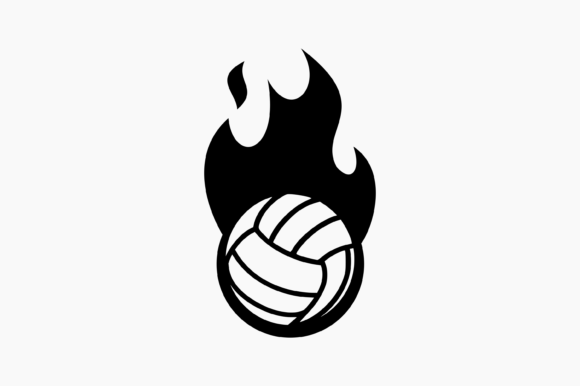
Flaming Volleyball Ball
A Designer’s First Glance: Bold, Playful, and Unapologetically Sporty
When Flaming Volleyball Ball landed in my inbox, I paused—not because it’s flashy (though it is), but because its energy demands attention. It’s not a subtle motif; it’s a grin-in-stitch form of visual confidence. The flame wraps the volleyball with kinetic flow, not rigid symmetry—so it feels alive, not static. As an embroidery designer who’s stitched everything from nursery monograms to boutique sweatshirt collections, I immediately saw where this design belongs: on gear that celebrates movement, team spirit, or playful individuality. Think custom volleyball camp totes, spirited gym bags, or even cheeky baby onesies for the future setter.
Where It Shines in Real Embroidery Projects
I tested Flaming Volleyball Ball across three real-world applications: a medium-weight cotton tote bag, a 100% cotton unisex sweatshirt, and a twill baseball cap. On the tote, the flame’s curves translated cleanly—no puckering, no skipped stitches—thanks to balanced stitch density and thoughtful pathing. On the sweatshirt, it held up beautifully with light tear-away stabilizer underneath; the satin stitch edges stayed crisp, and the fill areas didn’t overwhelm the fabric’s texture. Even on the curved cap front, the design scaled well when resized to 3.5 inches wide—no distortion in the flame tip or seam alignment issues.
It works especially well as a custom apparel centerpiece—think left-chest placement on tees or sleeve accents on performance polos. For embroidered patch production, the clean outer edge and minimal internal detail make it ideal for heat-seal or sew-on versions. As a tote bag design, it reads instantly at arm’s length. And yes—it’s surprisingly effective for baby embroidery when simplified (more on that shortly).
Where to Use It Thoughtfully
Not every surface welcomes fire. On thin fabric like lightweight rayon or silk-blend scarves, I’d reduce stitch density manually—or switch to a lighter fill stitch—to avoid stiffness or shadowing. Stretchy fabric, such as athletic knits, needs cutaway stabilizer and possibly a basting stitch outline before main stitching. And while the flame’s taper looks dramatic on screen, on dark fabric, fine flame tips may blur unless you choose high-contrast thread (e.g., neon orange on navy). Avoid placing it near seams, pockets, or curved hems without testing first—the outer flame curve can pull slightly on curved surfaces if hoop tension isn’t consistent.
Also worth noting: the design doesn’t include text or tiny details, so it avoids common pitfalls like unreadable lettering or fragile satin-stitched corners. That makes it safer for small hoop sizes (4” x 4”) and more forgiving for newer embroiderers running their first commercial embroidery batch.
Design Assets That Earn Their Place in Your Workflow
As a digital embroidery file, Flaming Volleyball Ball delivers what craft business owners need most: versatility without compromise. Its SVG, PNG, EPS, and DXF formats mean it transitions smoothly from embroidery software to Cricut/Silhouette cutting for iron-on transfers or vinyl stickers—and yes, those work great for mugs, phone cases, and tea towels too. For Etsy sellers, that multi-format flexibility means one purchase supports multiple product lines: embroidered patches, printable mockups for listings, and even digital product previews for clients reviewing designs pre-stitch.
I’ve used it in two Etsy listings already—one for personalized volleyball-themed gifts, another for a summer sports bundle. Customers responded strongly to how “instantly recognizable” and “fun but not childish” it felt. That matters. In handmade presentation, clarity builds trust. A confident, well-executed Flaming Volleyball Ball signals professionalism—even on a $28 apron sold at a local craft fair.
Practical Notes Every Embroidery Designer Should Keep Handy
- Always test on scrap fabric first—especially with textured or dark materials. Flame definition changes dramatically under different lighting and thread choices.
- Check thread color contrast before stitching full runs. Orange-on-khaki? Great. Orange-on-peach? Might need a gold or coral thread alternative.
- Review stitch density in your editing software. If your machine struggles with dense fills, simplify the inner flame area using a lighter fill stitch or reduce density by 10–15%.
- Confirm hoop size compatibility. While it scales well, verify minimum recommended size before assigning to small-cap or baby-hat projects.
- Inspect small details at 200% zoom in your embroidery software—especially the flame’s tapered end and the ball’s panel lines. Are they clean? Do they stitch as single-pass satin or layered elements?
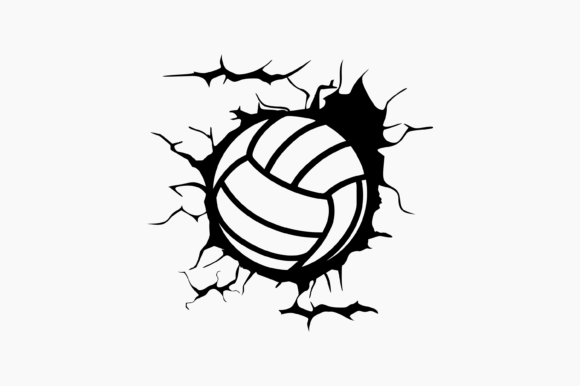
- Test black-and-white mockups to assess silhouette strength. This design holds up well in monochrome, which expands its use for minimalist branding or school spirit items.
- Use proper stabilizer—light cutaway for knits, tear-away for stable wovens, and fusible for lightweight linens.
- Verify licensing before selling finished items or reselling the digital file. The listing states “unlimited use,” but always double-check terms for commercial embroidery or resale rights—especially if you’re a digital product seller.
Final Thought: Not Just a Graphic—A Conversation Starter
Flaming Volleyball Ball isn’t just another machine embroidery design. It’s a mood, a moment, a wink at athleticism with warmth. In my small shop, it’s become our go-to for personalized gift orders where customers want something energetic but not cliché—like a graduation present for a libero or a holiday gift for the coach who still plays pickup on Sundays. It elevates a plain sweatshirt embroidery into a statement. It adds charm to a kitchen towel without overwhelming function. And because it’s rooted in strong shape and clear intent—not trend-chasing clutter—it stays relevant across seasons and customer types.
If you're evaluating Flaming Volleyball Ball for your next craft business launch, Etsy collection, or custom order queue: it earns its place. Just remember—great design is only half the story. The other half is how thoughtfully you bring it to life. Stitch with intention, test with care, and let the flame speak for itself.